Current Projects
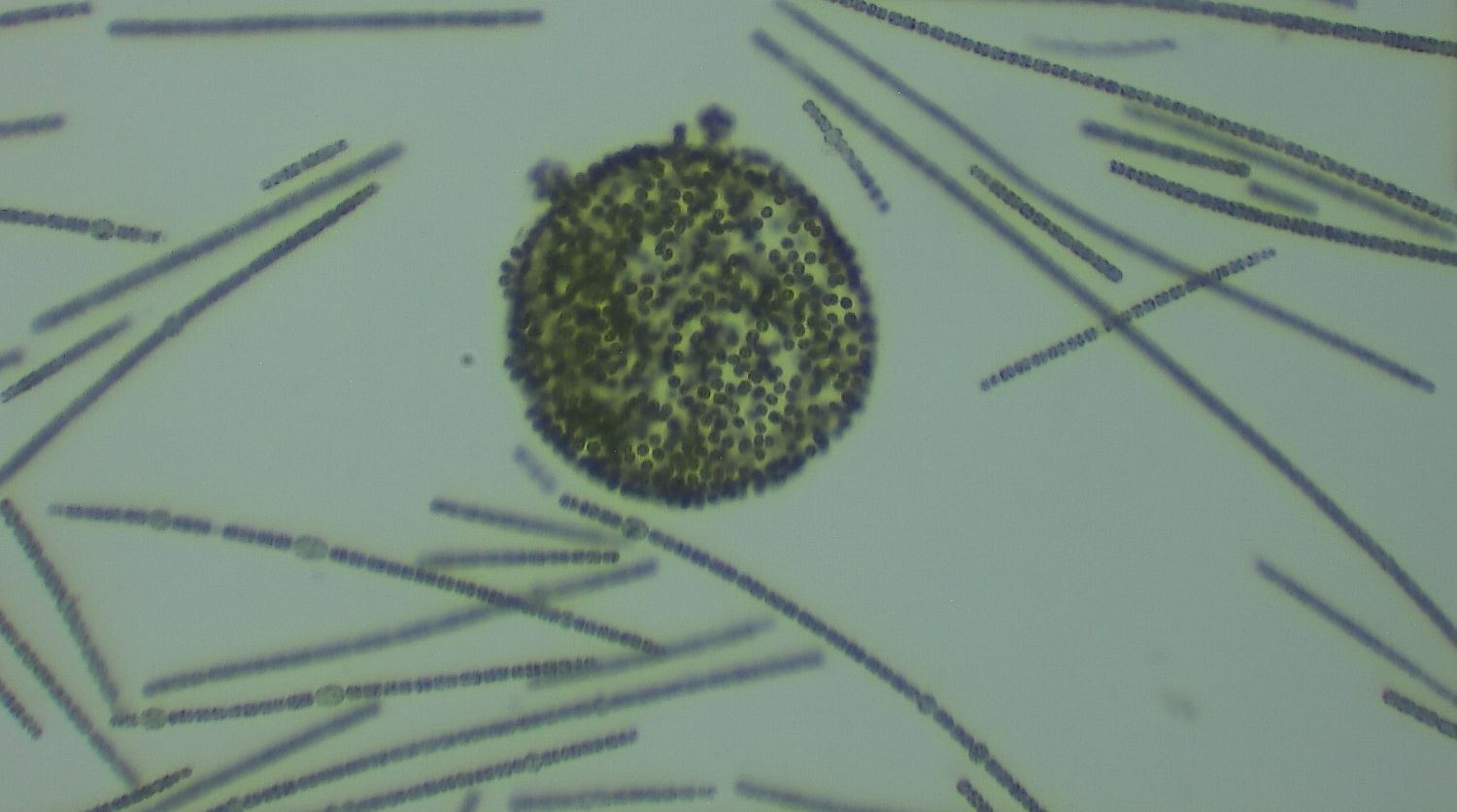
Cyanobacteria Monitoring – Roger Williams Park & Freshwater Bodies
Tracking harmful algal blooms (HABs) to understand trends, inform public health advisories, and improve freshwater ecosystem management.

Juvenile Fish Seine Survey – Providence River Estuary
Conducting seine surveys from May to October at 12 stations to monitor fish populations and habitat changes. This long-term dataset (2017–2024) helps track trends and ecosystem shifts and monitors the impact of habitat restoration efforts on fish populations and overall ecosystem health in urban estuarine environments.
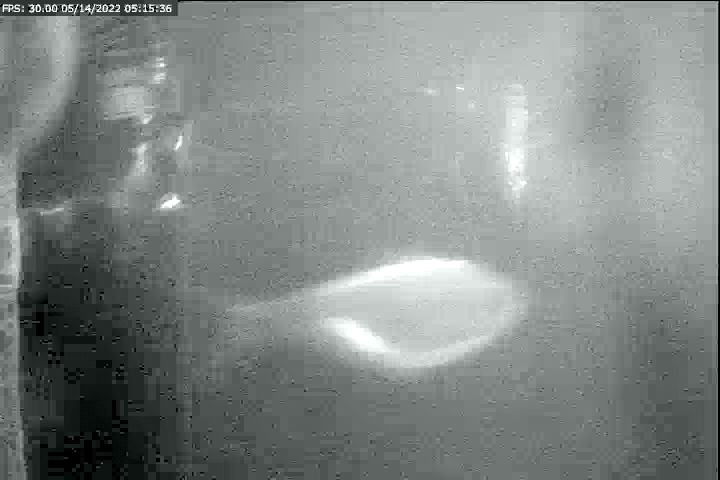
Fish Passage Video Monitoring – Saugatucket and Pettaquamscutt Rivers
Using automated video capture to track river herring migration, comparing video monitoring techniques with visual count data to enhance accuracy in abundance measurements.
Past Projects

Fish Passage Monitoring – PIT Tagging on the Saugatucket River
Using Passive Integrated Transponder (PIT) telemetry to track river herring migration, assessing fish passage effectiveness and population movement through reconnected habitats.

Artificial Reef Installation – Sabin Point Park
Deployment and monitoring of artificial reefs to enhance marine habitat complexity and support biodiversity, with a focus on fish and invertebrate communities.

Experimental Oyster Reefs – Coastal Ponds
Evaluating the success of oyster reef restoration in enhancing water quality, increasing biodiversity, and providing coastal resilience.
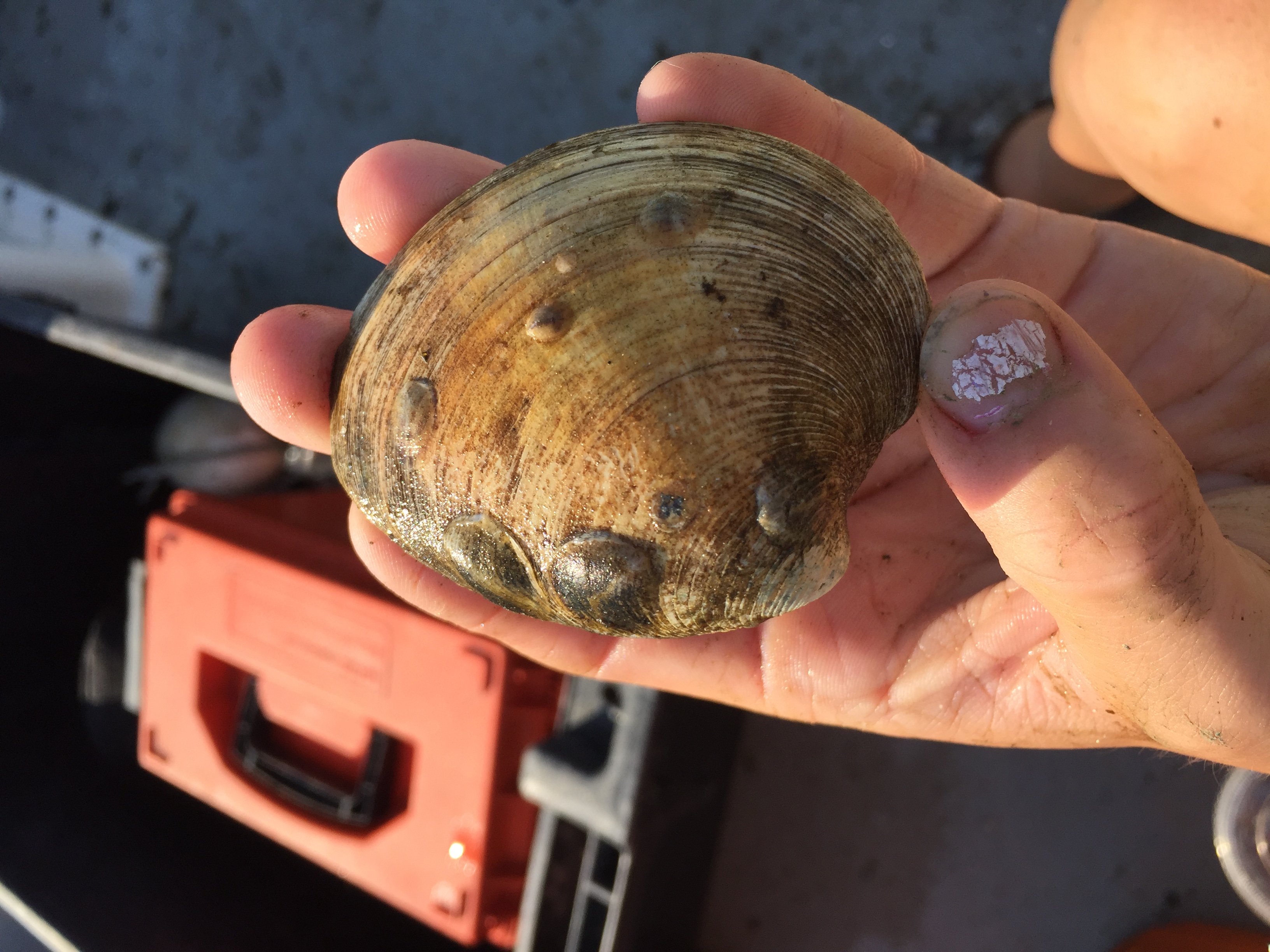
Brood Stock Enhancement – Narrow River
Surveying and analyzing the health of fish stocks to guide conservation strategies and fisheries management.

Wild Oyster Stock Monitoring – Shellfish Restoration Enhancement Plan
Assessing natural oyster populations to support restoration planning and sustainable management efforts.